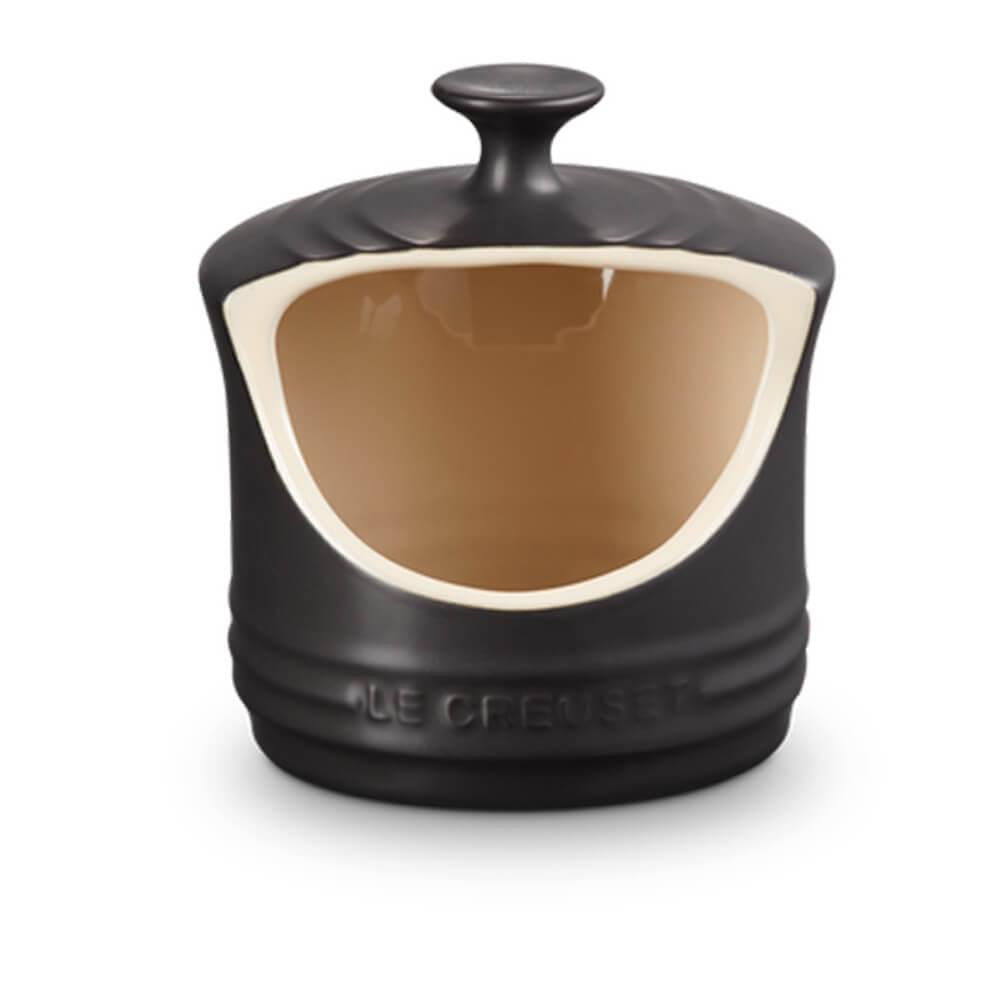
There's a certain magic that happens when you cook with cookware designed for true culinary excellence. It's not just about heating food; it's about transforming ingredients, enhancing flavors, and making the cooking process itself more enjoyable. At the heart of this transformation lies Le Creuset, a brand synonymous with vibrant color, unparalleled durability, and exceptional cooking performance. This guide dives deep into Cooking with Le Creuset: Performance and Culinary Benefits, exploring how these iconic pieces elevate your kitchen from the everyday to the extraordinary.
Far more than mere pots and pans, Le Creuset cookware acts as a true partner in your culinary adventures, whether you’re a seasoned chef or just starting your journey. It promises not only visually stunning results but also a level of flavor development and ease that truly sets it apart.
At a Glance: Key Takeaways for Your Le Creuset Journey
- Masterful Heat: Le Creuset’s signature cast iron and stoneware provide superior heat distribution and retention, ensuring even cooking and keeping food warmer for longer.
- Versatility Rules: From searing on the stovetop to slow-braising in the oven and baking perfect casseroles, Le Creuset handles a vast array of cooking techniques with grace.
- Built to Last: These pieces are an investment designed for generations, provided you follow simple care and maintenance guidelines.
- Flavor Amplification: The consistent, gentle heat helps ingredients caramelize beautifully, developing deeper, richer flavors in every dish.
- Care is Simple: Enameled cast iron requires no seasoning; gentle cleaning and proper storage are key to preserving its beauty and function.
- Beyond the Kitchen: Many pieces, especially stoneware, are designed for elegant oven-to-table serving, enhancing your dining experience.
The Le Creuset Difference: More Than Just a Pretty Pot
Step into any serious home kitchen or professional setup, and chances are you’ll spot that unmistakable gradient of color, that solid heft, that iconic branding. Le Creuset cookware isn't just known for its vibrant aesthetics; it's revered for its foundational design principles that contribute directly to superior cooking outcomes. This is where engineering meets artistry, resulting in pieces that don’t just look good, but fundamentally change how you cook.
At its core, Le Creuset's enameled cast iron offers two paramount benefits: exceptional heat distribution and unrivaled heat retention. Imagine a simmering stew where every vegetable, every piece of meat, cooks at the same gentle pace, absorbing flavors evenly. This isn't possible with thin, reactive cookware. Le Creuset’s heavy-gauge cast iron absorbs heat slowly and then radiates it consistently across the entire cooking surface, eliminating hot spots that can scorch food. Once heated, it holds that temperature remarkably well, meaning your food stays warm longer, whether it’s resting on the stovetop or served at the table. This steady, even heat is the secret weapon for everything from perfectly seared steaks to richly flavored braises.
Beyond cast iron, Le Creuset’s stoneware range brings similar principles to baking and serving. Its dense, uniform material ensures that your casseroles bake through evenly without burnt edges or undercooked centers, and desserts achieve a consistently golden crust. The non-reactive surface means you can cook acidic dishes without fear of metallic tastes, preserving the pure flavors of your ingredients.
In essence, Le Creuset simplifies complex cooking tasks. It forgives minor temperature fluctuations and provides a stable environment for your food, allowing you to focus on the creative aspects of cooking rather than constantly managing your heat source. Many cooks find that this foundational performance makes their culinary efforts more rewarding and their meals more delicious, which often begs the question: Is Le Creuset worth the investment? We believe the consistent, high-quality results speak for themselves.
Decoding Your Le Creuset Arsenal: Cast Iron vs. Stoneware
Le Creuset offers a range of materials, each perfectly suited for specific cooking tasks. Understanding the distinctions between their renowned enameled cast iron and versatile stoneware is key to maximizing your culinary potential.
The Powerhouse: Enameled Cast Iron
This is the material that put Le Creuset on the map. It's heavy, durable, and an absolute workhorse in the kitchen.
What Makes it Special?
- Exceptional Heat Management: As discussed, cast iron’s density means it heats slowly but thoroughly and retains that heat for an extended period. This makes it ideal for cooking tasks that benefit from stable, consistent temperatures.
- Versatility: From stovetop to oven, Le Creuset cast iron transitions seamlessly, allowing for one-pot meals that reduce cleanup and maximize flavor.
- Durability: Protected by a tough enamel coating, these pieces resist chipping, cracking, and staining, designed to last a lifetime (or more!) with proper care.
- Non-Reactive Enamel: Unlike bare cast iron, the enamel interior means you can cook acidic foods like tomato sauces, wine reductions, or citrus-infused dishes without worrying about metallic flavors or seasoning degradation.
Prime Uses:
- Dutch Ovens: The iconic Le Creuset Dutch oven is a culinary chameleon. It's unparalleled for slow cooking hearty stews, chili, and soups, thanks to its ability to maintain a gentle, even simmer. It excels at braising tough cuts of meat, tenderizing them beautifully over hours in the oven. You can also bake no-knead bread to perfection, creating a crisp crust and moist interior.
- Skillets and Fry Pans: Ideal for searing meats and vegetables, achieving that coveted golden-brown crust. Their even heat distribution ensures consistent browning across the entire surface. They’re also excellent for shallow frying or even baking cornbread.
- Grill Pans: Designed to mimic outdoor grilling indoors, these pans create beautiful sear marks on meats and vegetables while draining away excess fat, perfect for a rainy-day barbecue craving.
The Baking and Serving Star: Stoneware
Le Creuset stoneware complements its cast iron perfectly, offering a lighter-weight, oven-friendly alternative primarily focused on baking, roasting, and elegant serving.
What Makes it Special?
- Even Baking: Just like its cast iron sibling, stoneware heats evenly, preventing hot spots and ensuring your baked goods, casseroles, and gratins cook through uniformly.
- Oven-to-Table Elegance: Stoneware is designed to move seamlessly from the oven directly to your dining table, keeping food warm and looking beautiful.
- Non-Reactive Surface: Like enameled cast iron, stoneware does not react with acidic ingredients, preserving pure food flavors.
- Easy Cleanup: Its glazed surface resists stains and odors and is remarkably easy to clean, often dishwasher safe.
Prime Uses:
- Casseroles and Gratins: From classic lasagna to cheesy potato gratins, stoneware ensures even bubbly perfection.
- Baking Dishes: Perfect for roasting vegetables until tender and caramelized, or for baking delicious fruit crumbles and crisps.
- Bread Bakers: Specifically shaped stoneware bakers can create artisanal loaves with perfect crusts.
- Serving Dishes: The vibrant colors and elegant designs make stoneware dishes ideal for serving salads, side dishes, or appetizers, keeping them warm or cool as needed.
Choosing the Right Piece for Your Kitchen
When selecting Le Creuset, consider your family size and typical cooking habits. A 5.5-quart Dutch oven is often a great starting point for many families, versatile enough for most braises, stews, and soups. If you love baking, a 9x13-inch stoneware rectangular dish is indispensable. Think about the dishes you make most often and choose pieces that align with those needs. You might also find it helpful to consider the long-term value and how well these pieces hold up over time when pondering Is Le Creuset worth the investment?
Getting Started: Your Le Creuset Cookware's First Steps
Bringing a new piece of Le Creuset into your kitchen is an exciting moment. Thankfully, the preparation process is remarkably simple, especially for their renowned enameled cast iron.
For Enameled Cast Iron Cookware: No Seasoning Needed!
One of the significant advantages of Le Creuset's enameled cast iron is that it comes ready to use right out of the box. Unlike traditional bare cast iron, the durable enamel coating protects the metal, making pre-seasoning unnecessary. This saves you time and effort and ensures a non-reactive cooking surface from day one.
Your First Use Ritual:
- Unpack and Admire: Remove all packaging and labels from your new piece.
- Wash Gently: Fill your sink with warm water and add a few drops of mild dish soap. Using a soft sponge or cloth, gently wash the interior and exterior of the cookware.
- Rinse Thoroughly: Rinse the piece completely under warm running water, ensuring all soap residue is removed.
- Dry Completely: This step is crucial. Use a clean towel to dry the cookware thoroughly. Any residual moisture, especially on the rim or exposed cast iron edges (which are often not enameled), could lead to rust over time.
- You're Ready to Cook! Once dry, your Le Creuset enameled cast iron is prepared for its inaugural culinary adventure.
For Stoneware: Wash and Go
Le Creuset stoneware is equally straightforward. Its glazed, non-porous surface means it's ready to go after a simple wash.
Your First Use Ritual for Stoneware:
- Unpack: Remove all packaging.
- Wash: Wash with warm, soapy water using a soft sponge.
- Rinse & Dry: Rinse thoroughly and dry completely, though stoneware is less prone to rust than cast iron, drying completely still helps prevent water spots.
- Ready for Baking: Your stoneware is now set for your favorite casseroles, gratins, or roasted dishes.
With these simple steps, you'll be well on your way to enjoying the superior performance of your new Le Creuset cookware.
Mastering the Heat: Unlocking Le Creuset's Performance
Understanding how to manage heat is perhaps the most crucial aspect of cooking with Le Creuset. These aren't your average lightweight pans that react instantly to temperature changes. Le Creuset's mass and material properties require a slightly different approach, one that rewards patience and pays dividends in flavor.
The Golden Rule: Low to Medium Heat
Because Le Creuset cast iron distributes and retains heat so efficiently, you rarely, if ever, need to use high heat.
- Protect the Enamel: High heat can not only burn your food but can also eventually damage the enamel finish, leading to dullness or even chipping.
- Optimal Cooking: Most searing, sautéing, simmering, and slow-cooking tasks are best performed at low to medium heat settings. The cookware will still get plenty hot; it just takes a bit longer to reach that temperature. Give it 3-5 minutes to preheat gradually, and you’ll achieve perfect results.
Avoiding Thermal Shock: A Critical Step
Just as important as gradual heating is gradual cooling. Thermal shock occurs when cookware undergoes rapid temperature changes, like placing a very hot pot under cold water, or a very cold pot onto a screaming hot burner.
- Why Avoid It? For enameled cast iron, thermal shock can cause the enamel to craze (develop tiny cracks) or even chip. For stoneware, it can lead to cracking.
- The Best Practice: Always allow your Le Creuset cookware to cool naturally on a heat-resistant surface before washing it or exposing it to cold temperatures. Similarly, don't preheat an empty pot on high heat; bring it up to temperature gradually.
Key Cooking Techniques Enhanced by Le Creuset
Searing for Flavor
Le Creuset skillets and Dutch ovens are phenomenal for searing.
- Preheat with Patience: Place your empty pan on medium-low to medium heat for 3-5 minutes. A little oil (like grapeseed, canola, or avocado) can be added during preheating, or just before the food.
- Add Oil: Once preheated, add a small amount of cooking oil (enough to coat the bottom lightly).
- Sear Undisturbed: Add your protein (like steak, chicken, or pork chops). Resist the urge to move it. Allow the food to brown deeply and develop a crust on one side before turning it just once. This patient approach is what creates incredible flavor and prevents sticking.
The Magic of Slow Cooking and Braising
This is where Le Creuset cast iron truly shines. Its ability to hold heat and trap moisture creates the perfect environment for tenderizing ingredients and developing complex flavors over hours.
- Build Your Base: Start by searing meats and sautéing aromatics in the pot on the stovetop.
- Add Liquid: Deglaze with wine or broth, then add your main liquid components.
- Cover Tightly: Place the lid securely on the pot. Le Creuset lids are designed to fit snugly, minimizing moisture loss.
- Low and Slow: Transfer to a preheated oven (usually 275-325°F / 135-160°C) or keep on a very low stovetop burner. Cook for several hours until ingredients are fork-tender. The consistent, even heat will do all the work.
Oven and Stovetop Versatility
Le Creuset enameled cast iron is incredibly versatile, designed for use on all heat sources, including induction, gas, electric, and in the oven.
- Handles Get Hot: Always remember that the handles, even on the lid, will get extremely hot during stovetop and oven use. Always use oven mitts or thick kitchen towels for safe handling.
- Temperature Changes: While it handles high oven temperatures well, always remember the thermal shock rule when moving it between different temperature extremes.
Baking with Stoneware: Achieving Perfection
Le Creuset stoneware excels in the oven for baking, roasting, and casseroles.
- Preheat Your Stoneware: For best results and the most even cooking, preheat your empty stoneware dish in the oven for about 10-15 minutes before adding your food. This ensures the dish itself is at temperature, promoting even browning and preventing cold spots.
- Rest for Flavor: Once your dish is cooked, let it rest in the stoneware for a few minutes. The stoneware will continue to retain heat, allowing flavors to meld and liquids to redistribute, resulting in a more succulent and flavorful meal.
Sauces in Stoneware: Slow and Steady Wins the Race
The steady, gentle heat retention of stoneware makes it unexpectedly perfect for slow-cooking sauces.
- Thickening without Burning: The consistent temperature helps sauces thicken gradually without the harsh, direct heat that can lead to burning or sticking.
- Gentle Stirring: While cooking, stir gently with a wooden or silicone utensil, especially if you have a lid on.
- Lid for Moisture: Use the lid to trap steam and keep sauces from reducing too quickly.
The Strategic Use of Lids
Le Creuset lids are more than just covers; they're tools for moisture management.
- Trap Steam: Keep the lid on for slow cooking, braising, or simmering to trap steam, keep food juicy, and prevent excessive liquid reduction.
- Reduce and Brown: Remove the lid towards the end of cooking if you want to reduce liquids, thicken a sauce, or achieve a beautiful, crispy brown crust on your dish.
By understanding and applying these heat management and technique tips, you'll unlock the full performance potential of your Le Creuset, transforming your cooking and the deliciousness of your meals.
Protecting Your Investment: Care, Cleaning, and Longevity
Le Creuset cookware is designed to be an heirloom, a piece that can be passed down through generations. This longevity, however, relies on consistent, proper care and maintenance. Think of it as nurturing a prized possession – a little attention goes a long way in preserving its beauty and performance. This dedication to care is another facet when considering Is Le Creuset worth the investment?
Utensils: Choose Wisely
The enamel interior of your Le Creuset cookware is durable, but it’s not invincible. Metal utensils can scratch and chip the surface, compromising its non-stick properties and aesthetic.
- The Best Choices: Always opt for wooden, silicone, or heat-resistant plastic utensils. These materials are gentle on the enamel, ensuring its pristine condition for years to come.
- Avoid: Steer clear of metal spatulas, whisks, and spoons when cooking directly in your enameled cast iron or stoneware.
Daily Cleaning: A Gentle Routine
Consistent, gentle cleaning is the secret to keeping your Le Creuset looking new.
- Cool Down Completely: This is paramount. Never plunge a hot pot into cold water (remember thermal shock!). Allow your cookware to cool completely to room temperature on a heat-safe surface before cleaning.
- Warm, Soapy Water: Fill the pot or sink with warm water and a few drops of mild dish soap.
- Soft Touch: Use a soft sponge, dishcloth, or nylon brush to gently clean the interior and exterior. The enameled surface is naturally smooth, so food should release easily.
- Rinse Thoroughly: Rinse all soap residue completely.
- Dry Completely: This is another critical step, especially for enameled cast iron. Use a clean, lint-free towel to dry the entire piece thoroughly. Pay special attention to the rim where exposed cast iron may be present, as any moisture can lead to rust. For stoneware, thorough drying prevents water spots.
What to Avoid:
- Harsh Detergents & Abrasives: Skip the abrasive cleaners, scouring pads, and steel wool. These can scratch or dull the enamel.
- Dishwasher Use (for Cast Iron): While some modern Le Creuset enameled cast iron may be technically dishwasher safe, handwashing is always recommended to best preserve the enamel’s luster and extend the life of your cookware. The harsh chemicals and high heat of dishwashers can dull the finish over time. Le Creuset stoneware, however, is generally dishwasher safe.
Tackling Stubborn Stains and Burnt-On Food
Even with the best intentions, sometimes food gets stuck or stains appear. Don't reach for harsh chemicals; Le Creuset has gentle solutions.
For Stubborn Stains or Lightly Stuck Food:
- Soak It Out: Fill the cookware with warm, soapy water and let it soak for 15-20 minutes, or even overnight if needed. The warm water and soap will help loosen the residue.
- Baking Soda Power: For more persistent stains, create a paste with baking soda and a little water, apply it to the stain, let it sit for a bit, then gently scrub with a soft sponge.
For Burnt-On Food:
- Boil and Loosen: Fill the pot with water and add 1-2 tablespoons of baking soda. Bring the mixture to a boil on the stovetop and let it simmer for 10-15 minutes. The boiling action, combined with the baking soda, will usually loosen even stubborn burnt-on residue.
- Gentle Scrub: Once cooled, gently scrub the loosened food away with a non-abrasive sponge or nylon brush. Repeat if necessary.
Smart Storage Practices
How you store your Le Creuset can also contribute to its longevity and appearance.
- Lid Off or Propped: When storing enameled cast iron, it's best to store it with the lid slightly ajar or completely off. This allows for air circulation, preventing moisture buildup and any potential odors.
- Protect When Stacking: If you need to stack your Le Creuset pieces, especially to protect that valuable enamel, place a paper towel, cloth protector, or felt pad between each piece to prevent scratches.
- Check Tightness: Periodically check the tightness of handles and lid knobs. A loose knob can usually be tightened with a screwdriver.
By adopting these simple yet effective care routines, your Le Creuset cookware will continue to perform beautifully and remain a treasured part of your kitchen for generations to come, truly living up to the expectation that Le Creuset is a worthwhile investment.
Everyday Culinary Inspiration with Le Creuset
Le Creuset isn't just for special occasions or complex recipes. Its superior performance simplifies everyday cooking, making routine meals more enjoyable and more delicious. Here are a few common dishes where Le Creuset truly shines.
The Ultimate Comfort: Beef Stew in a Dutch Oven
A classic beef stew is the quintessential Le Creuset dish.
- Searing the Beef: Begin by searing your cubed beef in your Le Creuset Dutch oven on medium heat until beautifully browned on all sides. This foundational step builds incredible flavor (the Maillard reaction!).
- Building Layers: Remove the beef, then sauté onions, carrots, and celery in the same pot, scraping up those flavorful bits from the bottom.
- Slow Simmer: Add your beef back, along with broth, herbs, and any other vegetables (potatoes, mushrooms). Bring to a gentle simmer, cover tightly, and transfer to a preheated oven (around 300°F / 150°C) for 2-3 hours. The Le Creuset will maintain a perfectly even, low simmer, tenderizing the meat and melding all the flavors into a rich, hearty meal.
Golden Goodness: Mac & Cheese Bake in Stoneware
For a comforting casserole that's crispy on top and creamy underneath, Le Creuset stoneware is your go-to.
- Pasta Perfection: Cook your pasta al dente in a separate pot.
- Creamy Sauce: While the pasta cooks, prepare your cheese sauce in your favorite Le Creuset saucepan on the stovetop. The steady heat helps thicken the sauce without scorching.
- Combine and Bake: Combine the pasta and sauce in your Le Creuset stoneware baking dish. Top with extra cheese or breadcrumbs.
- Even Bake: Bake in the oven until bubbling and golden brown. The stoneware will ensure the entire dish bakes evenly, from edge to center, and keeps it wonderfully warm for serving directly at the table.
Perfectly Tender: Roasted Vegetables in a Stoneware Rectangular Dish
Roasting vegetables brings out their natural sweetness and creates delightful caramelized edges.
- Chop and Toss: Chop your favorite vegetables (broccoli, bell peppers, zucchini, carrots, potatoes). Toss them directly in your Le Creuset stoneware rectangular dish with olive oil, salt, pepper, and your favorite herbs.
- High Heat Roast: Roast in a hot oven (400-425°F / 200-220°C) until tender and slightly charred. The stoneware conducts heat beautifully, ensuring all the vegetables cook evenly and achieve that perfect crispy-tender texture.
- Serve Warm: Remove from the oven and serve immediately. The stoneware will retain heat, keeping your roasted veggies warm throughout the meal.
These are just a few examples of how Le Creuset seamlessly integrates into your cooking repertoire, elevating simple dishes to culinary triumphs. The consistent heat, durability, and ease of use mean you spend less time worrying about your cookware and more time enjoying the act of creating and sharing delicious food. When you choose Le Creuset, you're not just buying a pot; you're investing in a lifetime of better meals, which really makes you consider the value of such an investment.
Elevate Your Everyday Cooking
Bringing Le Creuset into your kitchen is more than just acquiring new cookware; it's an adoption of a philosophy that celebrates quality, durability, and the sheer joy of cooking. From the foundational superiority of its heat distribution and retention to the elegant ease of oven-to-table serving, Le Creuset pieces are designed to simplify your cooking processes, enhance flavors, and provide a lifetime of culinary satisfaction.
Whether you're braising a succulent cut of meat, baking a bubbling casserole, or simply searing vegetables to perfection, the consistent and controlled environment provided by Le Creuset translates directly into more reliable and delicious results. With proper care – gentle heat, soft utensils, and careful cleaning – your Le Creuset cookware will not only endure but will also become a cherished companion in countless kitchen adventures.
So, go ahead. Embrace the vibrant colors, feel the reassuring weight, and discover how Le Creuset can transform your kitchen into a space where every meal is an opportunity for culinary excellence. Your taste buds, and your family, will thank you for it.