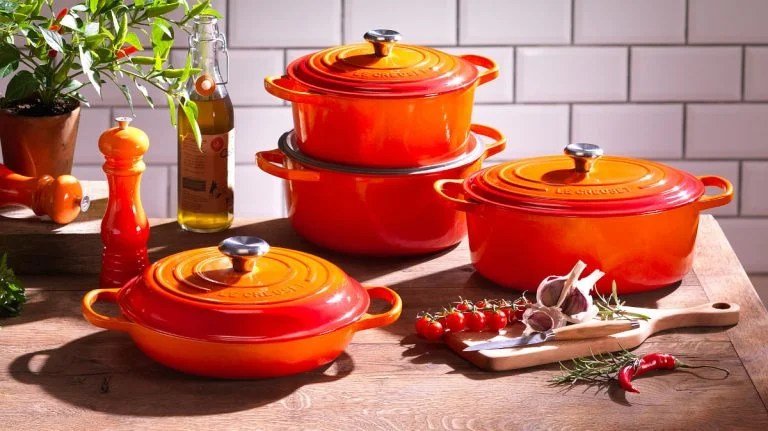
Le Creuset isn't just cookware; it's an investment, a legacy piece destined for countless meals and cherished memories. But like any prized possession, it thrives on proper care. Understanding the nuances of Le Creuset Care: Cleaning, Seasoning, and Common Issues isn't just about preserving its beauty – it’s about maximizing its performance and ensuring it serves you for generations. From the iconic enameled cast iron to its versatile non-stick lines, each piece has specific needs to keep it cooking its best.
At a Glance: Your Le Creuset Care Cheat Sheet
- Always Cool Down: Before cleaning any Le Creuset item, let it cool completely to room temperature. Thermal shock is your enemy.
- Gentle Cleaning: Stick to warm, soapy water and soft, non-abrasive sponges or brushes. Harsh cleaners and metallic pads are generally a no-go.
- Lift, Don't Slide: Whether it's enameled cast iron or stainless steel, always lift your Le Creuset on glass-top stoves to prevent scratching.
- Mind Your Heat: Low to medium heat settings are your best friends. High heat, especially during preheating or with dry pans, can damage enamel and non-stick surfaces.
- Utensil Wisdom: Silicone, wood, and heat-resistant plastic are always safe bets. Avoid knives and sharp metal utensils, especially on non-stick.
- Know Your Limits: Check oven temperature maximums for different knob and lid types. Wooden handles are never oven-safe.
- Seasoning (Where Applicable): For certain non-stick items, occasional re-conditioning with oil helps maintain performance. Enameled cast iron doesn't require traditional seasoning.
- Watch for Damage: Chipped enamel or cracked glass lids are safety hazards. Cease use immediately if you spot them.
- Storage Savvy: Store dry, and use protectors when stacking to prevent chips and scratches.
The Heart of the Kitchen: Caring for Le Creuset Enameled Cast Iron
The vibrant colors and exceptional heat retention of Le Creuset's enameled cast iron make it a kitchen icon. This isn't your grandma's bare cast iron; the enamel coating means a slightly different approach to care, with no traditional "seasoning" required for the cooking surface itself.
Before Its First Dance: Preparing Your New Piece
Upon arrival, your Le Creuset is ready to impress, but a quick prep ensures a smooth start:
- Unbox: Remove all packaging and labels.
- Wash: Give it a good wash in warm, soapy water.
- Rinse & Dry: Rinse thoroughly and dry completely to prevent any rust on the exposed cast iron rim.
Heat Wisely: Understanding Your Cookware's Limits
Le Creuset enameled cast iron is incredibly versatile, but respecting its boundaries is key to longevity.
Compatible Heat Sources
You can confidently use your enameled cast iron on:
- Induction cooktops
- Gas stoves
- Electric stoves
- Ceramic radiant rings
- Conventional ovens
- Broiler/Grill (with specific precautions)
Incompatible Heat Sources (A Strict NO)
- Microwave Ovens: Metal products can damage your microwave.
- Unregulated Heat Sources: Avoid outdoor grills, open fires, or pizza ovens. The uncontrolled, extreme temperatures can cause serious damage, leading to crazing, cracks, and chipping.
Mastering Heat Zones & Temperatures
- Cleanliness is Key: Always ensure both the product base and your cooktop are clean before use.
- Match Makers: Align the product's base size with your heat zone. Mismatching can lead to uneven heating or overheating, which manifests as crazing (fine cracks in the enamel), larger cracks, or chips.
- Gas Guard: If you have a gas stove, keep flames confined to the base. Flames extending up the sidewalls indicate excessive heat and can damage the enamel.
- Induction Nuances: On induction, a smaller pot on a large zone might reduce heat output. Match diameters for efficiency.
- Oven Placement: Always use an oven rack. Never place your Le Creuset directly on the oven floor, as this can lead to uncontrolled cooking and excessive temperatures.
- Broiler/Grill: Maintain a minimum distance of 5 cm (2 inches) between the heat source and the rim of your cookware. Crucially, never place items with phenolic (black plastic-like) knobs or handles under a broiler.
Oven Temperature Maximums (Based on Components)
Not all components can handle the same heat. Here’s a quick guide:
- Phenolic knob: 200°C / 390°F
- Regular and colored stainless steel knob: 260°C / 500°F
- Phenolic handle: 200°C / 390°F
- Glass or Enamel on Steel lid with stainless steel knob: 220°C / 425°F
- Glass or Enamel on Steel lid with phenolic knob: 200°C / 390°F
- Stoneware lid: 260°C / 500°F
- Enameled Cast Iron products with non-detachable Enameled Cast Iron handles: 350°C / 660°F
- Wooden handles: NOT suitable for oven use.
The Golden Rule of Heat Settings: Low to Medium
This is paramount. Gradual and even heating and cooling are crucial to prevent thermal shock, which is the primary cause of crazing, cracks, and chips.
- Avoid High Heat: Never preheat or cook on maximum/high settings, especially when dry. Enameled cast iron retains heat exceptionally well; a gentle approach yields the best results.
- Dry Cooking: Only suitable at low to medium heat. If you need a sear, allow the pan to heat gradually.
Handling with Care: Lids, Handles, and Utensils
- Lid Lift-off: Always be cautious when removing lids, as trapped steam can cause burns.
- Handle with Care: Keep long handles from overhanging the cooktop. If a handle or knob screw loosens, tighten it only when the product is at room temperature, and avoid overtightening.
- Stoneware on Stovetop: Do not place stoneware lids or parts directly onto a stovetop or direct heat source.
- Utensil Choices:
- Recommended: Silicone, wooden, or other heat-resistant plastic tools.
- Avoid: Knives or sharp metal utensils can scratch the enamel. Never knock metal utensils on the top rim of your Le Creuset.
Food Storage in Enameled Cast Iron
The non-porous enameled surface makes it excellent for food storage:
- Refrigerator/Freezer: Safely store raw or cooked food. Ensure the pot is at room temperature before refrigerating or freezing, and confirm your appliance can support its weight.
- Frozen to Oven: Never place frozen food directly into a pre-heated oven. Always place it in a cold oven and allow the temperature to increase gradually to prevent thermal shock.
The Cleaning Ritual: Keeping it Pristine
This is where much of "Le Creuset care" comes into play.
- Cool Down: Your golden rule! Always let your cookware cool to room temperature before washing. Never plunge a hot pot into cold water or fill it with cold water.
- Wash: Use warm, soapy water with a soft, non-abrasive sponge or brush.
- Stubborn Residue: For cooked-on food, soak the pot in warm soapy water for 15-20 minutes. A Le Creuset Enameled Cast Iron Cookware Cleaner can tackle stubborn stains (but avoid using it on decals).
- Rinse & Dry: Rinse thoroughly and dry immediately. This is particularly important for the exposed cast iron rim to prevent rust.
Dishwasher Safety
While most enameled cast iron pieces are dishwasher safe, it's not always recommended for aesthetic reasons.
- Exceptions: Products with wooden handles/accessories, Enamel on Steel lids, colored stainless steel knobs, and decals are not dishwasher safe.
- Rack Support: Ensure your dishwasher rack can support the weight of the cookware.
- Wear & Tear: Constant dishwashing can lead to a dulling of the enamel finish over time, which is considered normal wear and tear and isn't covered by the warranty. Hand washing is often preferred to maintain the pristine shine.
Storage: Protecting Your Investment
- Dry Place: Always store your Le Creuset in a dry place. Never put it away damp.
- Stacking Smarts: If stacking, use cookware protectors (felt pads are great) between pieces to prevent scratching or chipping.
- Gentle Handling: Avoid knocking or bumping your cookware on hard surfaces.
Common Issues with Enameled Cast Iron & How to Avoid Them
- Thermal Shock (Crazing/Cracks/Chipping): The most common issue. Prevent by always allowing gradual heating and cooling. Never go from hot to cold (or vice-versa) quickly. Avoid high heat.
- Stains/Discoloration: Often from overheating oils or certain foods. Gentle scrubbing with a specialized Le Creuset cleaner or a baking soda paste can help. Prevent by using medium heat and not allowing oil to smoke.
- Rust (on the rim): The exposed cast iron rim can rust if not dried completely after washing. Always dry thoroughly and consider a tiny swipe of cooking oil on the rim for long-term storage if in a humid environment.
- Scratches: Caused by metal utensils. Use silicone, wood, or heat-resistant plastic.
The Le Creuset Limited Warranty
Remember, failure to follow these care instructions can invalidate claims under the Le Creuset Limited Warranty/Guarantee. This reinforces the importance of proper care for the longevity and performance of your cookware. You might be wondering, Is Le Creuset worth it given all this detailed care? Absolutely, when cared for properly, it truly lasts a lifetime.
Beyond Cast Iron: Caring for Le Creuset Stainless Steel Cookware
Le Creuset's stainless steel cookware offers exceptional performance with its commercial-grade triple-layer construction. While different from enameled cast iron, it still benefits from thoughtful care.
Key Features at a Glance
- Construction: Triple-layer with an aluminum core for even heat.
- Compatibility: Magnetized stainless steel exterior works on all cooktops, including induction.
- Design: Interior capacity markings, precision pouring rim, large assist handles.
- Warranty: Lifetime warranty.
First Use: Getting Started
- Uncoated Stainless Steel: Remove packaging/labels. Wash in hot, soapy water; rinse and dry. For cooking, sear food on a hot surface, then reduce temperature. Turn food only when it releases easily.
- Non-Stick Stainless Steel: Condition the surface by rubbing cooking oil, heating for 2 minutes on medium, cooling, rinsing with hot water, and drying. For subsequent uses (or after dishwashing), add enough oil to cover the base, heat gently to cover sidewalls, cool, and clean with a paper towel. Then, add oil/fat/butter and begin cooking. Like uncoated, sear food first, turn when released, then reduce heat.
Heat Recommendations: Stainless Steel Specifics
- Uncoated: Oven-proof to 260°C / 500°F. Fry pans can go under the broiler (maintaining 5cm/2 inches distance).
- Non-Stick: Use only low to medium temperatures. Max oven-safe temperature is 260°C / 500°F. Never use high heat settings, and never preheat on high then lower (stainless steel cools slowly).
- Empty Pans: Never heat an empty pan, especially non-stick, as it can cause damage.
- Burner Size: Use a burner similar in size to the pan's base for efficient, even heating.
- Handles: Hollow, cast stainless steel handles are designed to stay cool on the stovetop.
- Glass-Top Stoves: Always lift your pan; never slide it to prevent scratches.
Food Storage & Marinating
Do NOT store raw, marinating, or cooked foods in Le Creuset stainless steel pans. Ingredients can potentially damage the surface.
Choosing the Right Tools
- Recommended: Silicone, heat-resistant plastic, or wooden tools.
- Metal Tools: Can be used with care (spoons, balloon whisks), but avoid harsh scraping or knocking them on the pan rim.
- Non-Stick: Never use knives or sharp-edged utensils on the non-stick surface.
Cleaning and Care: Stainless Steel
- Cool Completely: Always cool your pan before washing. Never plunge a hot pan into cold water, as thermal shock can warp the base.
- Residues: For food residues, soak in warm water for 10-15 minutes.
- Pads: Use nylon or soft abrasive pads/brushes. Do not use metallic pads or harsh cleaning agents.
- Uncoated Stainless Steel: Dishwasher safe. A stainless steel cleaner can remove hard water lime scale and other marks, while also conditioning and polishing the surface.
- Non-Stick Coated Stainless Steel: Hand washing in hot soapy water is highly recommended to prolong life and enhance performance. If using a dishwasher, use only domestic strength, non-lemon detergents. Always recondition the cooking surface with vegetable or corn oil after each dishwashing cycle.
- Drying: Dry thoroughly before storing.
Misuse & Warranty for Stainless Steel Non-Stick
Regular, prolonged dishwashing may eventually mark or discolor items and affect non-stick properties. This is considered normal wear and tear and is not covered by the Limited Lifetime Warranty.
The Modern Performer: Le Creuset Toughened Non-Stick Cookware
Combining heavy-gauge aluminum with a robust non-stick finish, this range is a workhorse in modern kitchens, offering superb food release and easy cleaning.
Key Features
- Construction: Heavy gauge, forged aluminum with a strong, toughened finish.
- Heat Distribution: Evenly spreads heat.
- Compatibility: Magnetic stainless steel disk in the base for ALL heat sources, including induction.
- Non-Stick: Interior and exterior feature modern, toughened non-stick finishes.
- Lids: Optional heat-resistant glass lids.
- Versatility: Multi-functional for any hob, domestic grill, or conventional/fan-assisted oven.
- Cleaning: Dishwasher safe (though hand washing is often preferred).
- Warranty: Lifetime Guarantee.
- Incompatible: Not suitable for microwave ovens.
Before First Use: Non-Stick Conditioning
- Preparation: Remove packaging, wash in hot, soapy water, rinse, and dry.
- Conditioning: Rub a thin film of vegetable or corn oil over the interior non-stick surface with a paper towel. Rinse with hot water and dry. Occasional re-conditioning is beneficial. Do not condition the black exterior.
Heat Recommendations: Protecting the Non-Stick
- Low to Medium is Best: For most cooking, use medium and low heat, allowing the pan to heat gradually and evenly.
- Searing: For searing meat, poultry, or fish, you can start with medium-high heat initially, then lower it.
- Avoid High Heat: NEVER use the highest heat setting for preheating or cooking. Excessive surface temperatures are the primary cause of damage to the non-stick coating (discoloration, blistering, peeling).
- Burner Size: Use a stovetop burner similar in size to the pan base. Gas flames must be confined to the base.
- Glass-Top Stoves: Always lift the pan; never slide.
- Oven & Broiler: Maximum oven-safe temperature is 260°C / 500°F. Under a hot broiler, maintain a minimum distance of 2 inches (5cm).
- Glass Lids: If used with a Le Creuset Toughened Non-stick heat-resistant glass lid, the maximum oven temperature is 220°C / 425°F.
Oil and Fats: Enhancing Performance
- For Flavor: Add a little oil or fat before heating to improve flavor and browning.
- No Smoking: Do not allow oil/fat to smoke; if it does, cool the pan before continuing.
- Fat-Free Cooking: Preheat the pan on medium for approximately two minutes. Do not leave unattended or overheat the dry non-stick surface, as this can cause permanent damage.
Food Storage & Marinating
Do NOT store raw, marinating, or cooked foods in these pans, as ingredients may damage the surface.
Tools & Handling
- Recommended: Le Creuset Silicone Tools, wooden, or heat-resistant plastic tools.
- Metal Tools: Metal tools, spoons, or balloon whisks can be used with care but should not be used harshly or scraped. Do not knock them on the pan rim.
- Forbidden: Never use knives or sharp-edged utensils to cut foods on the non-stick surface. Hand-held electric/battery-operated beaters should also not be used.
- Safety: Always use an oven mitt or silicone Cool Tool™ when handling a hot pan.
Cleaning and Care: Toughened Non-Stick
- Cool Down: Cool for a few minutes before cleaning. Do not plunge a hot pan into cold water.
- Pads: Only use recommended non-stick cleaning pads. Do not use metal or abrasive pads/cleaning agents.
- Dishwasher vs. Hand Wash: The pan is dishwasher-safe, but hand washing is recommended to prolong its life.
- Dishwasher Effects: If regularly dishwashed, some darkening of rivets or a powdery white deposit may occur (this is normal and does not affect performance). These can be removed with a gentle nylon pad and detergent.
- Re-Conditioning: After each dishwasher cycle, re-condition the cooking surface with vegetable or corn oil.
Misuse of Non-Stick Surface (Warranty Implications)
The lifetime warranty does not cover damage resulting from overheating (manifesting as discoloration, blistering, or peeling) or scratching (score marks, severe scratching from metal tools). These types of damage are permanent and will reduce the non-stick performance of your cookware.
The Durable All-Rounder: Le Creuset Essential Non-Stick Ceramic Cookware
This line features an advanced ceramic coating designed for exceptional durability, ease of use, and quick cleaning.
Key Features
- Core: Heavy-gauge aluminum core for excellent heat distribution and retention.
- Coating: Advanced ceramic non-stick coating for easy food release.
- Durability: Dishwasher-safe, metal utensil resistant, and scratch resistant.
Before First Use
- Preparation: Remove packaging, wash in warm, soapy water, rinse, and dry.
- Conditioning: Rub a film of vegetable or corn oil over the interior non-stick surface with a paper towel. Rinse with warm water and dry. Occasional re-conditioning is beneficial. Do not condition the black exterior sidewall.
Heat Recommendations: Ceramic Non-Stick Prowess
- Heat Sources: Can be used on various approved heat sources (always check your manual for specifics). Not for microwave ovens or unregulated heat sources (outdoor grills, open fires, pizza ovens).
- Low to Medium: Use low to medium heat for most cooking, allowing gradual and even heating and cooling.
- Searing: For searing meat, poultry, or fish, use medium to higher heat initially, then lower.
- NO Highest Heat: NEVER use the highest heat setting for preheating or cooking. Do not leave unattended. Excessive surface temperatures will damage the non-stick.
- Induction Boost: On induction stovetops, use the boost function only for rapid heating of large liquid quantities, and only for as long as needed to boil.
- Burner Match: Use a clean heat zone similar to the pan base size. Gas flames must be confined to the base.
- Glass-Top Stoves: ALWAYS lift the pan; never slide.
- Safety Gear: Handles, lids, and knobs will become hot. ALWAYS use a dry thick cloth or oven mitts. Always place a hot product on a heat-resistant protector.
- Oven & Broiler:
- Maximum oven-safe temperature: 280°C / 550°F without a glass lid.
- Maximum oven-safe temperature: 220°C / 425°F with a Le Creuset glass lid.
- Under a hot broiler: Maintain a minimum distance of 2 inches (5cm).
- Oven Placement: Do NOT place cookware on oven floors; ALWAYS place on an oven rack.
Oil and Fats: Cooking Smarts
- Add a Little: Add a little oil or fat before heating.
- No Smoking: Do not allow oil/fat to smoke; cool the pan if it does.
- Fat-Free Caution: For fat-free cooking, preheat on medium for approximately two minutes. Do not leave unattended or overheat the dry non-stick surface.
- Staining: Cooking low smoking point ingredients at higher temperatures can cause staining.
Food Storage & Marinating
NEVER store raw, marinating, or cooked foods in these pans, as they may damage the non-stick surface.
Tools: The Ceramic Advantage
- Recommended: Le Creuset silicone, wooden, or heat-resistant tools.
- Metal Utensils: Metal utensils may be used with care but should not be used harshly or scraped. Do not knock them on the pan rim.
- Forbidden: NEVER use knives, hand-held electric/battery-operated beaters/blenders, or other sharp tools.
- Handling: Always use a dry thick cloth or oven mitts.
Cleaning and Care: Essential Non-Stick Ceramic
- Cool Down: ALWAYS cool to room temperature before cleaning. Do not fill a hot pan with cold water or plunge it into cold water (thermal shock).
- Wash: Clean with warm, soapy water and a soft, non-abrasive sponge or brush.
- Pads: NEVER use metal cleaning pads or harsh abrasive cleaning agents.
Your Le Creuset Journey: A Lifetime of Deliciousness
Caring for your Le Creuset cookware is less about a chore and more about a simple routine that ensures decades of reliable performance. By understanding the unique properties of enameled cast iron, stainless steel, and various non-stick surfaces, you're not just maintaining a cooking tool—you're nurturing an heirloom.
Embrace the gentle touch, respect heat limits, and keep your pieces clean and dry. This mindful approach will unlock the full potential of your Le Creuset, allowing it to continue inspiring culinary creations and gathering loved ones around your table for years to come. Your investment deserves this attention, and the joy it brings will be your delicious reward.