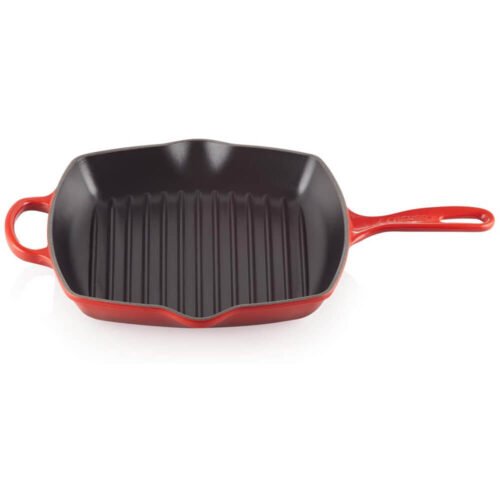
The moment you start researching premium kitchenware, a certain French name inevitably pops up, often accompanied by a gasp-inducing price tag: Le Creuset. For many, the idea of spending hundreds of dollars on a single pot or pan feels extravagant. Yet, these vibrant, iconic pieces consistently earn rave reviews, populate professional kitchens, and even become treasured family heirlooms. This article aims to decode the Le Creuset Price: Understanding the Investment, helping you discern whether its notoriously high cost truly aligns with its value, and if it's the right fit for your culinary journey.
Is Le Creuset’s high price truly a worthwhile kitchen investment? To answer that, we’ll cut through the marketing jargon and peer into the crucible where these legendary pieces are forged, examining their materials, craftsmanship, longevity, and the tangible benefits they bring to your cooking.
At a Glance: Why Le Creuset Commands Its Price Tag (and What You Get)
Before we dive deep, here’s a quick overview of what makes Le Creuset a significant financial commitment, and why so many home cooks and chefs swear by it:
- Premium Materials: It all starts with high-quality, virgin cast iron and a unique multi-layered enamel finish that's both durable and non-reactive.
- Intensive Craftsmanship: Each piece undergoes a meticulous, labor-intensive manufacturing process involving numerous skilled steps, from individual sand molds to hand-finishing.
- Exceptional Performance: Expect unparalleled heat distribution, superior heat retention, and a cooking surface that won't absorb flavors or odors.
- Unmatched Versatility: From stovetop to oven to outdoor grill, these pieces excel at everything from slow-cooking and searing to baking and roasting.
- Lifetime Durability: Built to last for generations, backed by a robust lifetime warranty against defects.
- Iconic Aesthetics: Available in a vast palette of vibrant colors and elegant designs, becoming a statement piece in any kitchen.
- The Investment Aspect: While expensive upfront, its longevity often means it's the last pot of its kind you'll ever need to buy, making the cost-per-use remarkably low over decades.
The Anatomy of a High-End Pot: Deconstructing Le Creuset's Value
The journey of a Le Creuset piece from raw material to your kitchen counter is far from ordinary. It's a blend of traditional foundry work and modern engineering, resulting in a product that performs as beautifully as it looks.
The Material Masterclass: Cast Iron Meets Enamel Perfection
At its core, Le Creuset is about cast iron. But not just any cast iron. The brand uses premium, molten cast iron, poured into individual sand molds that are then broken, ensuring each piece is unique and perfectly formed. This heavy-gauge material is the secret to its legendary thermal properties. Cast iron is renowned for its ability to heat slowly and evenly, then retain that heat for extended periods, making it ideal for everything from low-and-slow braises to high-heat searing.
However, traditional cast iron comes with its own quirks: it needs seasoning, can rust, and reacts with acidic foods. This is where Le Creuset's multi-layered enamel coating comes in. This incredibly durable, glass-like finish seals the cast iron, making it non-reactive, resistant to rust, and incredibly easy to clean. Unlike unseasoned cast iron, the enamel doesn't absorb flavors or odors, so you can cook a spicy chili today and a delicate fish tomorrow without any lingering residue. This meticulous layering process is a significant contributor to the high Le Creuset Price: Understanding the Investment for many consumers.
Craftsmanship Beyond Compare: The Hands-On Process
While many modern manufacturing processes are heavily automated, Le Creuset still relies significantly on human skill and precision. After the casting, each piece undergoes a series of intensive, labor-intensive steps:
- Grinding and Sandblasting: To smooth out imperfections.
- Enameling: Multiple layers of enamel are applied and fused at extremely high temperatures, creating a vibrant, chip-resistant surface. This isn't just a paint job; it's a permanent bond.
- Inspection: Every single piece is rigorously inspected by hand, with any deemed less than perfect being discarded and recycled.
This commitment to traditional techniques and stringent quality control means fewer pieces are produced, and each one demands more time and expertise. This isn't a factory churning out thousands of identical units daily; it's a testament to artisan-level production on an industrial scale.
A Lifetime Promise: Durability, Longevity, and the Warranty
Perhaps the most compelling argument for the Le Creuset price is its longevity. These aren't disposable pieces of cookware; they're built to last a lifetime, and often beyond. Many Le Creuset owners speak of inheriting pieces from their grandparents, still performing flawlessly after decades of use. The heavy-duty construction and durable enamel are designed to withstand the rigors of daily cooking, becoming trusted companions in countless meals.
This claim isn't just anecdotal; it's backed by the company's robust lifetime warranty. This warranty covers manufacturing defects, underscoring Le Creuset's confidence in its product's quality and its commitment to standing behind its craftsmanship. When you consider that a quality product with a lifetime warranty effectively negates the need for future replacements, the initial investment starts to look a lot more reasonable. If you're pondering is Le Creuset a good investment?, its promised longevity is a major part of the answer.
Beyond the Kitchen: The Lifestyle and Aesthetic Appeal
While performance is paramount, Le Creuset’s appeal extends far beyond its cooking prowess. It's also a statement piece, a touch of elegance, and a highly versatile tool that simplifies your culinary life.
A Splash of Color, A Statement of Style
One of the most recognizable aspects of Le Creuset is its stunning array of colors. From vibrant cerise red to serene Marseille blue, classic volcanic orange, and seasonal limited editions, there's a shade to match every kitchen decor and personal taste. These aren't just practical cooking vessels; they're pieces of art that can seamlessly transition from stovetop to oven to dinner table, eliminating the need for separate serving dishes. This aesthetic quality adds to the overall experience, making cooking and entertaining more enjoyable.
Versatility Unleashed: One Pot to Rule Them All?
Ask any Le Creuset enthusiast, and they'll likely tell you their Dutch oven is their most used piece of cookware. And for good reason. Its design allows it to tackle an incredible range of cooking tasks:
- Baking: Perfect for no-knead bread, casseroles, or even cakes.
- Roasting: Roasts chickens, vegetables, and larger cuts of meat beautifully.
- Frying & Sautéing: Excellent for developing rich crusts and even browning.
- Grilling: Some pieces are designed for stovetop grilling.
- Slow-Cooking & Braising: Its even heat and tight-fitting lid create the ideal environment for tender, flavorful results.
- Soup & Stew: Holds a large volume and maintains consistent temperatures.
Compatible with all heat sources—gas, electric, induction, ceramic, oven, and even outdoor grills—a single Le Creuset piece can genuinely reduce the need for a cluttered cupboard full of specialized cookware. This versatility, combined with its performance, solidifies its position as a true kitchen workhorse.
The Sticker Shock Is Real: Addressing the Price Head-On
Let's be honest: the initial cost of Le Creuset cookware can be a significant barrier. A large Dutch oven can easily run you several hundred dollars. So, why do so many people still consider it a smart buy?
Is It Really Worth the Investment?
The concept of value is deeply personal, but from a purely objective standpoint, Le Creuset offers a compelling long-term value proposition. While the upfront cost is high, consider the cost-per-use over its lifespan. A piece that lasts 50 years costs far less per year than a cheaper alternative that needs replacing every five. The superior cooking performance also contributes to value by elevating your culinary results, making cooking more enjoyable, and potentially reducing food waste due to better outcomes.
Moreover, the heavy weight, often cited as a drawback, is also a testament to its durability and heat retention properties. Yes, it can be cumbersome to lift, especially when full. However, this weight is integral to its even heat distribution, preventing hot spots and ensuring consistent cooking. It's a trade-off for performance and longevity.
The Weighty Consideration: A Practical Drawback
No product is perfect, and Le Creuset's primary practical disadvantage is its weight. Cast iron is inherently heavy, and when you add the robust enamel layers and a tight-fitting lid, a 5.5-quart Dutch oven can weigh over 12 pounds when empty. Once filled with food, it can become quite a workout to lift in and out of the oven or carry to the sink. This can be a genuine concern for individuals with wrist or arm limitations.
Navigating the Landscape: Le Creuset vs. The Competition
If the Le Creuset Price: Understanding the Investment feels a bit too steep, or if you're curious about alternatives, it's worth exploring other options that offer similar benefits, or distinct advantages in specific areas.
The Premium Rivals: Staub and the Quest for Chip Resistance
Staub is arguably Le Creuset's closest competitor. Also French-made enameled cast iron, Staub often features a darker, matte enamel interior, which many chefs prefer for searing and browning as it can develop a richer fond. Some users also report Staub's enamel to be slightly more chip-resistant, though proper care is essential for both brands. While similar in price point, comparing Le Creuset to Staub often comes down to aesthetic preference, lid design (Staub's self-basting spikes are a unique feature), and the interior enamel finish.
Solid Performance, Lower Price: The Tramontina Option
For those seeking the aesthetics and performance of enameled cast iron without the premium price tag, Tramontina stands out. Their enameled cast iron Dutch ovens often visually echo Le Creuset, offering solid performance—good heat distribution and retention—for about half the price. They are a fantastic entry point into quality enameled cast iron, allowing you to experience many of the benefits without the significant financial commitment.
The Budget-Friendly Workhorses: Lodge, Pyrex, and Copycats
- Lodge: When it comes to traditional, non-enameled cast iron, Lodge is the undisputed champion of affordability and rugged reliability. While it requires seasoning and different care, a Lodge cast iron skillet or Dutch oven offers incredible performance for a fraction of the cost. It's a no-frills, built-to-last option for those who prioritize function over fancy finishes. exploring other cast iron alternatives can help you weigh these benefits.
- Vintage Pyrex: For oven-safe baking and roasting, vintage Pyrex offers a charming and incredibly durable alternative. While not suitable for stovetop cooking, its tempered glass construction is known for its longevity and excellent heat distribution in the oven.
- Aldi Copycats & Other Store Brands: Many discount retailers and house brands offer enameled cast iron look-alikes at significantly lower prices. While these can be a tempting entry point, be aware that the quality of cast iron, the enamel layering, and the durability can vary wildly. They might not offer the same even heat distribution, longevity, or warranty as the premium brands.
High-End, Different Focus: Where All-Clad Fits In
While All-Clad is another high-end cookware brand, it typically specializes in clad stainless steel and copper core cookware. These materials offer different advantages, such as faster heating, lighter weight, and different aesthetic profiles. All-Clad pieces are exceptional in their own right but might not match Le Creuset's specific reputation for extreme durability and unique heat properties in the enameled cast iron category. When making an informed choice about your cookware materials, consider whether cast iron's specific benefits are what you're truly after.
Protecting Your Investment: Essential Care for Lasting Legacy
Regardless of the brand, quality cookware thrives on proper care. For Le Creuset, understanding these simple guidelines is crucial to ensuring your investment truly lasts a lifetime.
The Golden Rules of Cleaning
Always, always hand wash your Le Creuset. Use warm, soapy water and a soft sponge or cloth. Avoid harsh abrasive cleaners, metal scrubbers, or steel wool, which can scratch or dull the enamel finish. While technically dishwasher safe, the harsh detergents and high temperatures of dishwashers can prematurely age the enamel and dull its vibrant color over time. A quick hand wash is all it typically needs.
Thermal Shock: Your Enamel's Arch Nemesis
One of the most critical rules: never plunge a hot Le Creuset pot into cold water, or vice versa. Extreme temperature changes can cause "thermal shock," leading to hairline cracks or chipping in the enamel. Always allow your cookware to cool down completely to room temperature before washing. Similarly, avoid preheating an empty Dutch oven on high heat for an extended period, as this can also stress the enamel.
Utensil Wisdom: What to Use (and Avoid)
To protect the pristine enamel surface from scratches, opt for wooden, silicone, or nylon utensils. Metal utensils, while sometimes necessary for certain tasks, should be used with extreme caution and ideally avoided. If you must use metal, ensure it's not scraping harshly against the bottom or sides of the pot.
Conquering Stubborn Stains
Even with careful use, you might encounter stubborn stains or burnt-on food. Don't reach for harsh chemicals or abrasive scrubbing. Instead, create a paste of baking soda and water. Apply it to the affected area and let it sit for a few hours, or even overnight. The baking soda will gently loosen the residue, making it much easier to wipe away. For tougher stains, you can fill the pot with water, add a few tablespoons of baking soda, and gently simmer for 10-15 minutes before allowing it to cool and scrubbing gently. You can find more essential care tips for your Dutch oven for maintaining its pristine condition.
Smart Storage for Pristine Pots
The heavy nature of Le Creuset means you need to be mindful of how you store it. If stacking pots, always place a soft cloth, felt protector, or even a paper towel between each piece to prevent chipping the enamel. Hanging your pots can also be a great solution if you have sturdy racks. Avoid storing them in a way that allows them to bang against other hard surfaces.
Frequently Asked Questions About Le Creuset's Value
We hear these questions often, and they get right to the heart of understanding the value proposition.
Does Le Creuset's enamel chip easily?
While Le Creuset's enamel is incredibly durable, it's not indestructible. Like any ceramic-based coating, it can chip if dropped, hit forcefully with a metal object, or subjected to thermal shock (e.g., hot pot into cold water). With proper care and gentle handling, however, chipping is rare and generally only occurs due to misuse or accidental impact. Minor surface scratches from metal utensils are more common than deep chips.
Can Le Creuset really last a lifetime?
Absolutely. With proper care and handling, a Le Creuset piece can easily last a lifetime and be passed down through generations. The high-quality cast iron core is incredibly resilient, and the multi-layered enamel, when cared for, holds up remarkably well over decades. The brand's lifetime warranty also speaks to their confidence in this longevity, covering defects that might arise.
Is Le Creuset microwave safe?
No. Le Creuset cookware is made of cast iron, which is metal. Metal is not safe for microwave use and can cause sparking and damage to your microwave. It is designed for stovetop, oven, and outdoor grill use.
What's the best way to find Le Creuset deals?
Le Creuset rarely goes on deep discount, but deals do exist. Look for sales during major holidays (Black Friday, Prime Day), check their official factory-to-table sales events (often held in various cities), explore their outlet stores for discounted or "seconds" pieces, and keep an eye on reputable retailers. Sometimes, specific colors are retired, leading to clearance prices. Purchasing "seconds" (pieces with minor cosmetic imperfections that don't affect performance) can also be a great way to save.
Your Next Step: Deciding If Le Creuset Is Right For You
Ultimately, the decision of whether to invest in Le Creuset comes down to your priorities, your budget, and how you cook. If you're someone who values:
- Exceptional durability and longevity, wanting a piece that will last for decades.
- Superior cooking performance, especially for dishes requiring even heat and retention.
- Versatility, needing one pot that can perform many functions.
- Aesthetic appeal, wanting cookware that looks as good as it performs.
- The peace of mind of a lifetime warranty.
Then the Le Creuset Price: Understanding the Investment makes perfect sense. It's not just a pot; it's a culinary tool designed to enhance your cooking experience for years to come, a purchase that pays dividends in quality meals and enduring beauty.
However, if the weight is a significant concern, or if your budget doesn't allow for the upfront cost, remember that excellent alternatives exist, offering many of the same benefits at a more accessible price point. The most important thing is to choose cookware that inspires you to cook, performs well for your needs, and fits comfortably within your lifestyle and financial plan.