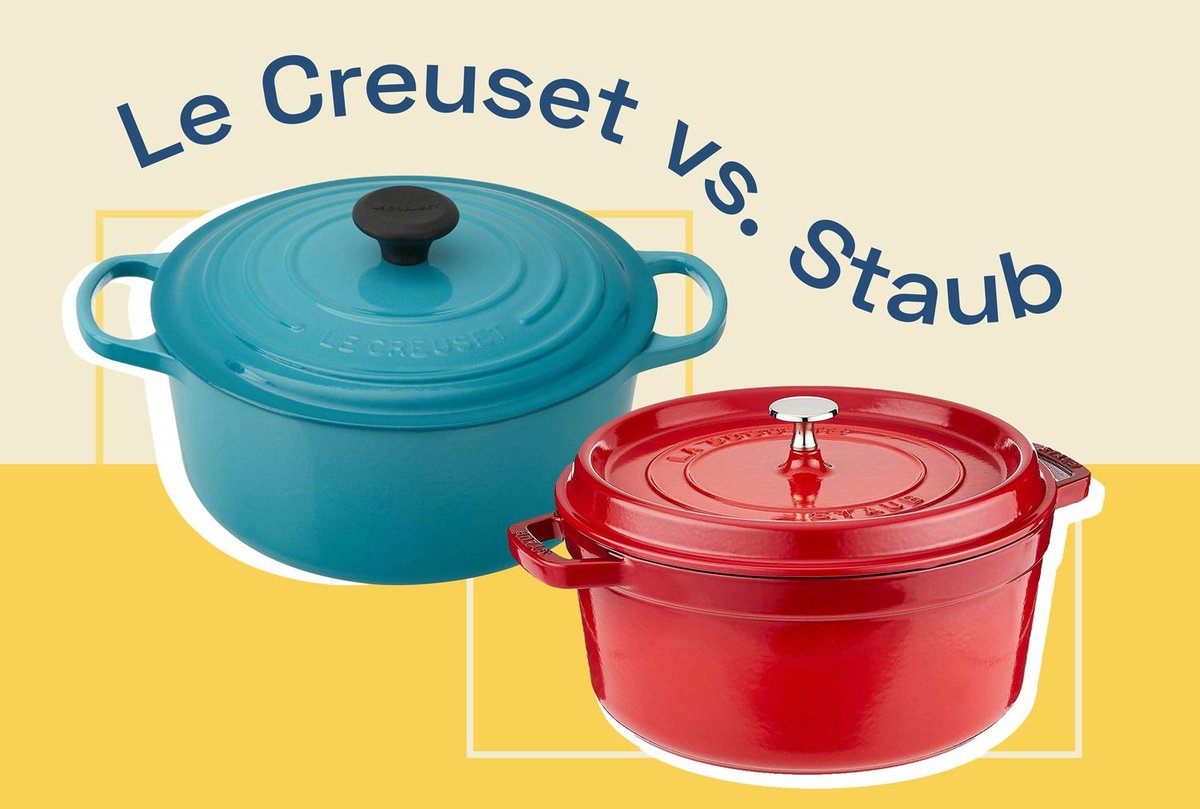
The moment you picture high-end kitchenware, chances are a vibrant, enamel-coated pot with that distinctive, confident script comes to mind. Le Creuset. It's a brand synonymous with quality, culinary aspiration, and, let's be honest, a significant investment. But in a crowded market brimming with innovative alternatives, the critical question arises: how does Le Creuset vs. Competitors truly stack up in terms of value and quality comparison?
For many home cooks and professional chefs alike, the allure of a Le Creuset piece is undeniable. Founded in France in 1925, the brand has meticulously built a reputation on superior craftsmanship, durability, and stunning aesthetic appeal, particularly with its signature enamel-coated cast iron. From iconic Dutch ovens to skillet pans, woks, and roasting pans, each piece is designed for exceptional heat retention, even heat distribution, and resistance to chipping and scratching. The vibrant colors and classic designs have made them kitchen mainstays for nearly a century, promising decades of use with proper care.
Yet, that premium price tag often prompts a pause. Is the storied legacy and undeniable quality truly worth it when a host of other brands offer similar features, or perhaps even superior performance in specific niches, at a fraction of the cost? Let's get past the hype and dive deep into what makes Le Creuset tick, and whether its competitors can genuinely offer a better bang for your buck.
At a Glance: Key Takeaways
- Le Creuset excels in durability, aesthetic appeal, and heat performance for enamel-coated cast iron, representing a long-term investment.
- Competitors offer comparable quality in specific categories, often at lower price points or with distinct features (e.g., Staub's self-basting lids, Lodge's raw cast iron value).
- Value is subjective: It hinges on your budget, cooking style, aesthetic preferences, and willingness to maintain certain materials.
- Key comparison criteria include materials, heat distribution, versatility, non-stick properties, and ease of cleaning.
- Don't chase brand names alone; evaluate cookware based on your actual needs and how it fits into your kitchen lifestyle.
The Le Creuset Legacy: Why It's Iconic
Stepping into the world of Le Creuset is more than just buying cookware; it's buying into a tradition. The brand's enamel-coated cast iron has become the gold standard for many, celebrated for its robust build, the way it holds and distributes heat, and its striking visual presence. Imagine a slow-cooked ragu simmering for hours, the gentle, consistent warmth coaxing out layers of flavor, or a perfectly crusty sourdough loaf emerging from your Dutch oven. This is where Le Creuset truly shines.
The meticulous sand-casting process, individual molds for each piece, and hand-finishing ensure a level of quality control that few mass-produced items can match. The enamel coating isn't just for show; it's a durable, non-reactive surface that resists sticking, staining, and odors, making it ideal for everything from acidic tomato sauces to delicate custards. Its longevity is legendary; with proper care, a Le Creuset piece can genuinely become an heirloom, passed down through generations. To truly understand the full scope of the brand, you might want to consult Our Le Creuset buying guide.
Beyond its famed cast iron, Le Creuset has expanded its product line to include stoneware, stainless steel, and various accessories like grill pans and roasting pans, all carrying the same commitment to quality and design. This diversification means you can build an entire kitchen collection around the brand, ensuring consistency in both performance and aesthetic.
The Contenders: Top Competitors Vying for Your Kitchen Space
While Le Creuset holds a special place, the market isn't lacking in formidable alternatives. Many brands offer compelling reasons to consider them, often excelling in specific areas or providing excellent value.
Staub: The Muted, Moisture-Focused Rival
Hailing from France, just like Le Creuset, Staub specializes in enamel-coated cast iron with a slightly different philosophy. While it matches Le Creuset in heat retention and overall durability, Staub often leans towards more subtle, muted color palettes. Their signature feature is a unique self-basting lid with tiny nubs on the underside, designed to continuously return moisture to the food below. This makes Staub a particular favorite for braising and slow-cooking, ensuring incredibly moist and flavorful results. For a direct face-off, you'll want to take a deep dive into Le Creuset versus Staub.
Emile Henry: Ceramic Elegance Meets Performance
Another French powerhouse, Emile Henry, focuses on high-quality ceramic cookware. Known for its beautiful designs and oven-to-table appeal, Emile Henry pieces offer exceptional heat retention, making them perfect for baking, roasting, and serving. Their ceramic is durable, naturally non-toxic, and incredibly easy to clean, often dishwasher-safe (always check specific product instructions). If you appreciate elegant design and the gentle, even heat of ceramics for specific tasks, you might want to explore Emile Henry's ceramic offerings.
Lodge: The Unbeatable Value Proposition
For budget-conscious consumers who still demand high-quality cast iron, American brand Lodge is practically a household name. Lodge offers incredibly durable cast iron skillets and Dutch ovens at a significantly lower price point than Le Creuset. While mostly bare (not enameled) cast iron, they provide similar heat retention and durability. The trade-off is the need for seasoning and specific care routines to maintain their natural non-stick properties and prevent rust. Lodge represents the true workhorse of the kitchen, proving that exceptional performance doesn't always come with a luxury price tag. To truly appreciate its no-nonsense approach, consider Lodge's compelling value proposition.
Hard Anodized Aluminum (All-Clad, Anolon): The Professional's Edge
Brands like All-Clad and Anolon specialize in hard anodized aluminum cookware, a material favored by many professional chefs for its durability, even heat distribution, and excellent heat retention. These pieces are often non-stick, scratch-resistant, and lighter than cast iron. They offer a different cooking experience, heating up faster and providing more responsiveness, which is crucial for precision cooking. If speed and responsiveness are high on your list, delving into the world of hard anodized aluminum could be very enlightening.
Non-Stick Coatings (T-fal, Calphalon): Everyday Convenience, Shorter Lifespan
For sheer convenience and ease of cleanup, non-stick coated cookware from brands like T-fal and Calphalon remains incredibly popular. These options are typically lightweight, durable, and offer easy-release surfaces, perfect for everyday cooking tasks like eggs or delicate fish. The main drawback is that the non-stick coatings can wear over time, meaning these pans often have a shorter lifespan than cast iron or ceramic. They fill a specific niche in the kitchen for quick, fuss-free meals. For a deeper dive, consider some practical non-stick solutions.
Mauviel: Another High-End Option
Mauviel, another esteemed French brand, offers cookware with similar quality and style, often focusing on copper cookware which provides unparalleled heat conductivity and stunning aesthetics. While not explicitly detailed here, it represents another high-end contender for those seeking premium materials and craftsmanship.
Dissecting the Value: Key Features to Compare
When weighing your options, simply looking at brand names isn't enough. You need to consider the specific attributes that impact your cooking and your kitchen experience.
1. Materials and Construction
- Cast Iron (Enameled vs. Bare): Le Creuset and Staub lead in enameled cast iron – durable, non-reactive, excellent heat retention. Lodge offers bare cast iron – equally durable, superior searing, but requires seasoning and more specific care to prevent rust.
- Ceramic: Emile Henry stands out. Excellent for even, gentle heat and oven use. Can be prone to thermal shock if not handled carefully.
- Hard Anodized Aluminum: All-Clad, Anolon. Lighter, faster to heat, very durable, often non-stick.
- Stainless Steel: Durable, non-reactive, good for high-heat searing and deglazing. Often found in multi-ply construction for better heat distribution.
2. Heat Distribution and Retention
This is crucial for consistent cooking. Cast iron (enameled or bare) excels at both, slowly heating up but retaining that heat for a very long time, ideal for braising and deep frying. Hard anodized aluminum and multi-ply stainless steel offer faster, more responsive heat distribution, which is great for sautéing or simmering that requires quick adjustments. Look for thick, heavy bottoms and tight-fitting lids to maximize efficiency.
3. Versatility and Ease of Use
Consider the product's size, shape, and design. Can it go from stovetop to oven to table? Is it comfortable to lift, especially when full? Le Creuset's sturdy handles and vibrant aesthetics make it excellent for oven-to-table serving. Lighter hard anodized aluminum pans might be preferred for everyday quick tasks.
4. High Heat Tolerances
Always check manufacturer instructions. Cast iron and stainless steel generally tolerate high heat well, but require gradual preheating. Ceramic and glass cookware can be prone to thermal shock, so avoid extreme temperature changes (e.g., hot pan directly into cold water). Non-stick coatings usually have lower maximum heat thresholds.
5. Non-Stick Properties
This varies wildly. Enameled cast iron (Le Creuset, Staub) offers good resistance, especially with a bit of fat. Bare cast iron (Lodge) develops a natural non-stick surface over time with proper seasoning. Dedicated non-stick coatings (T-fal, Calphalon, some hard anodized) provide the best release initially but can degrade. Polished stainless steel, while not truly non-stick, can be made so with correct preheating and oil.
6. Cleaning and Maintenance
This is often a deal-breaker. Many high-quality items, particularly cast iron (both enameled and bare), require hand washing. Bare cast iron needs to be dried thoroughly and re-seasoned periodically. Non-stick and some ceramic options are often dishwasher safe, but even then, hand washing can extend their lifespan. Le Creuset is generally easy to clean, but its weight can make handling cumbersome for some.
7. Aesthetics and Design
For many, cookware is an extension of their kitchen's decor. Le Creuset's iconic colors and Staub's sleek, often darker tones are major selling points. Emile Henry offers beautiful, rustic ceramic designs. If presentation matters as much as performance, these aspects are vital.
8. Durability and Longevity
This is where the "investment" argument for Le Creuset truly plays out. Built to last for decades, it offers exceptional long-term value. Competitors like Staub and Lodge also boast incredible durability. Non-stick coatings, by their nature, are generally less durable over the very long term.
The Price Tag vs. The Payoff: Is Le Creuset Truly "Worth It"?
Here’s the rub: "worth it" is profoundly personal.
Le Creuset is undeniably worth it if you:
- Prioritize longevity and heirloom quality: You want cookware that lasts a lifetime and beyond.
- Appreciate superior craftsmanship and design: The aesthetic appeal and attention to detail are important to you.
- Frequently cook dishes that benefit from consistent, even heat: Braises, stews, sourdough, frying, roasting.
- Value a non-reactive, easy-to-clean enamel surface that performs beautifully without extensive maintenance (beyond hand washing).
- Have the budget for a premium product that delivers on its promises.
A competitor might be a smarter choice if you: - Are on a tighter budget but still want excellent performance (Lodge is an incredible value).
- Prefer specific features like Staub's self-basting lids or the quick responsiveness of hard anodized aluminum.
- Need lightweight, easy-to-handle pans for everyday, high-frequency cooking.
- Cook mostly delicate foods that benefit most from a true non-stick surface (understanding the shorter lifespan).
- Are willing to perform specific maintenance (e.g., seasoning bare cast iron) for a lower upfront cost.
- Don't place a high value on brand prestige or aesthetics over pure functionality.
Le Creuset isn't just about cooking; it's about the experience of cooking. It’s the satisfying weight, the vibrant color, the promise of decades of delicious meals. But if that emotional connection or brand legacy isn't your top priority, you can certainly find cookware that performs admirably, or even better for specific tasks, at a more accessible price point.
Making Your Choice: A Personalized Cookware Compass
Ultimately, the "best" cookware for you isn't about what a celebrity chef uses or what's trending online. It's about what fits your life, your kitchen, and your culinary ambitions.
- Your Budget is the First Filter: Be realistic. If a Le Creuset piece feels like a stretch, excellent alternatives exist that won't break the bank.
- Understand Your Cooking Style: Do you bake bread, sear steaks, simmer stews, or fry eggs daily? Different materials excel at different tasks. A bare cast iron skillet is king for searing, while an enameled Dutch oven is perfect for braising.
- Prioritize Your Needs: Is maximum durability paramount? Or is quick cleanup? Do you need oven-to-table appeal, or just a sturdy workhorse?
- Consider Your Kitchen Aesthetics: If a cohesive, beautiful kitchen makes you happy, then Le Creuset's range of colors or Emile Henry's rustic charm might be worth the investment. If you just need functional tools, this becomes less critical.
- Assess Your Willingness for Maintenance: Are you happy to hand wash and season a bare cast iron pan? Or do you crave the convenience of dishwasher-safe items?
Common Questions About Premium Cookware
Does expensive cookware really make food taste better?
Not inherently. What expensive cookware does provide is superior heat distribution, retention, and a durable cooking surface, which enables you to cook food better and more consistently. A Le Creuset Dutch oven won't magically make a bad recipe taste good, but it will create the ideal environment for a good recipe to become great.
How long should quality cookware last?
High-quality cast iron (enameled or bare) from brands like Le Creuset, Staub, or Lodge, along with stainless steel and ceramic from reputable brands, can last for decades, often a lifetime, with proper care. Non-stick coated pans typically have a shorter lifespan due to coating degradation, usually a few years to a decade depending on usage and care.
Can I mix and match brands?
Absolutely! Most home cooks have a mixed collection. It's smart to select the best tool for each specific job and budget. A Le Creuset Dutch oven, a Lodge cast iron skillet, and a hard anodized sauté pan can coexist beautifully in one kitchen.
What's the best entry-level premium piece?
For many, a high-quality Dutch oven (enameled cast iron) is the most versatile and impactful first investment. It can braise, stew, bake bread, deep fry, and even act as a large pot for pasta. A good quality stainless steel skillet or a well-seasoned cast iron skillet also makes an excellent starting point.
Your Next Step: Building a Cookware Collection That Works For You
Choosing between Le Creuset and its competitors isn't about finding a single "winner." It's about building a cookware collection that genuinely supports your cooking journey. Start by identifying your core needs and budget, then research the materials and brands that align with them. You might find that one Le Creuset piece is a perfect, cherished investment, while other tasks are best handled by the rugged value of Lodge or the responsive precision of hard anodized aluminum.
The goal isn't to fill your kitchen with the most expensive brands, but with the most effective, enjoyable, and durable tools for you. Cook with confidence, cook with joy, and let your cookware empower you to create delicious meals for years to come.